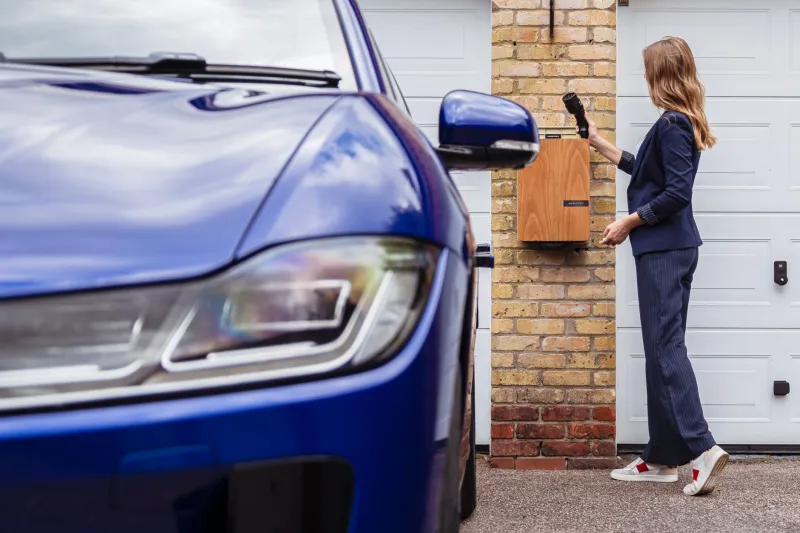
Clear Air, Clean Floor: A Low-Dust Garage Setup for EV Owners
EVs cut exhaust fumes, but a home garage still gathers tyre grit, brake dust and fan debris. Here is how to keep the air and surfaces manageable without installing a built-in extractor.

Practical EV gear for UK garages and driveways
EVs cut exhaust fumes, but a home garage still gathers tyre grit, brake dust and fan debris. Here is how to keep the air and surfaces manageable without installing a built-in extractor.
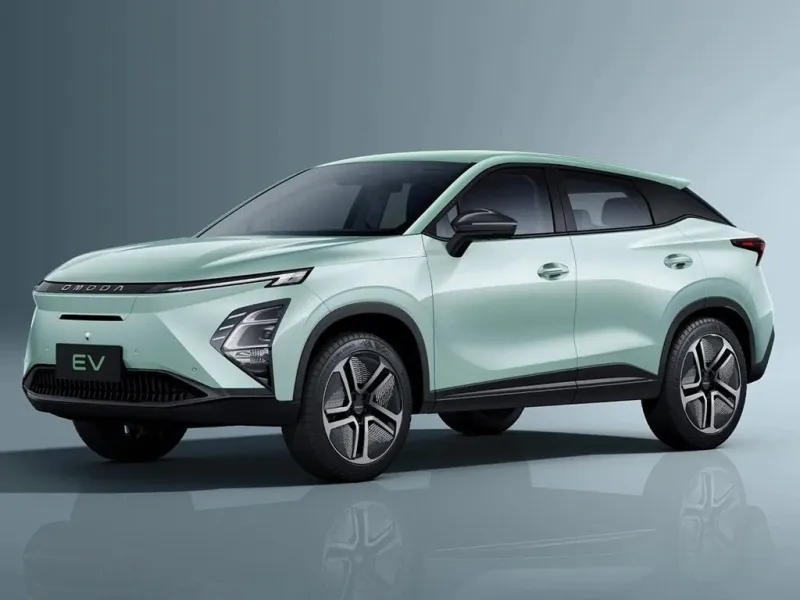
Every kilo in the boot costs a little range, and most roadside kits are half dead weight. This is the ruthlessly edited version for 2026: what genuinely helps on a rain-soaked British verge, what simply duplicates what your EV already does, and what to leave on the shelf.
Most UK garages are lit for storing a lawnmower, not for reading a high-voltage label under a low sill. Here's how to spec ceiling battens, colour temperature and task lights so you can actually see what you're doing — without a mirror-finish bonnet bouncing glare straight back at you.
A home garage can handle plenty of EV jobs, but the high-voltage side is a different country. Here is the safety kit worth buying, how to store it, and where a sensible DIYer draws a very firm line.
A granny cable is handy for a night at a friend's house or a top-up before a trip, but it is not a permanent home charger. Here is how to use one safely in the UK, and when to stop pretending it is a 7kW unit.
The big battery gets all the attention, but it's the small 12V one that leaves you stranded. Here's how smart maintenance chargers, the right connection points and a simple seasonal check keep an EV waking up properly.
Jacking an electric car is not the same job as jacking a hatchback. Here's the kit that protects your battery pack, sills and aero trays, plus a pre-lift checklist for a typical UK driveway.
A quick annual check of your home charge point can catch cable damage, water ingress and RCBO faults before they become expensive. Here is a practical 20-minute routine for UK garages and driveways, plus the warning signs that mean calling an electrician.
A tethered charger keeps the lead on the wall, while an untethered unit asks you to bring your own cable. This practical guide looks at storage, weather, multi-driver households and the small features that make a difference on a UK driveway.
A wet charging lead across a UK driveway is a trip hazard, a nuisance and a quick way to damage the connector. This product-led guide covers seven garage-grade cable-control upgrades, with the buying criteria that matter in tight spaces and British weather.
A second-hand EV can be a smart buy, but the plug, cable and 12V battery tell only part of the story. Here are twelve practical checks you can do at home with basic garage tools — and the limits of what a DIY inspection can prove.
Damp, salt, stiff cables and 4pm sunsets — the British winter is hard on EVs and the spaces we keep them in. Here are nine practical, affordable garage tweaks that make cold-morning charging less of a fight, from cable management to condensation control.
Bigger number, better charger — or so the sales pitch goes. In reality, a well-installed 7kW smart unit with proper load management covers the overwhelming majority of UK drivers, and chasing 22kW can mean DNO paperwork, street works and a bill that never pays itself back.