Clear Air, Clean Floor: A Low-Dust Garage Setup for EV Owners
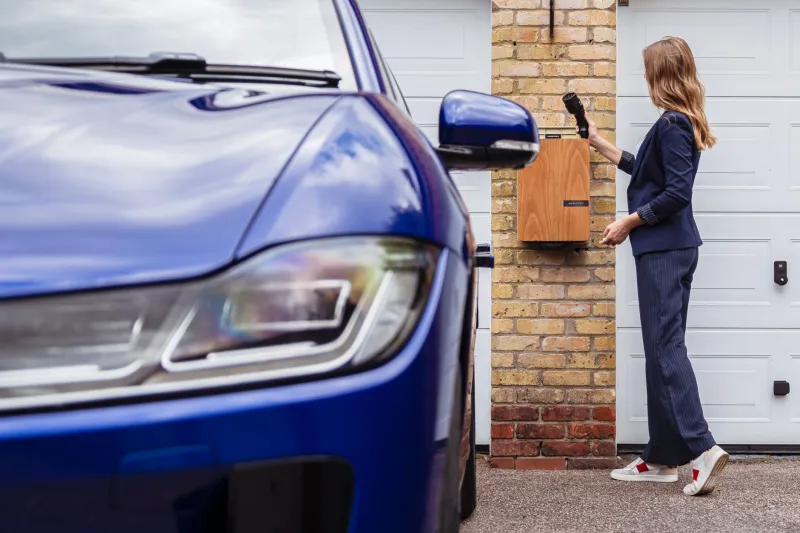
One of the quiet pleasures of an EV is pulling into the garage without a cloud of exhaust hanging around afterwards. The garage still gets grubby, though. Tyres wear, road grit arrives on your shoes, brake dust does not vanish completely, and charging gear generates a bit of heat. If you use the space for light work, dust becomes more than a cosmetic issue: it settles on chargers, clogs vacuum filters and ends up on the kitchen floor via your sleeves.
The goal is not a laboratory-grade clean room. It is a garage you can charge in, work in and walk through without grit following you indoors. Without a built-in extractor, you need three things working together: capture dust at floor level, filter what you vacuum up, and move air through the space sensibly.
Why the air still gets grubby
EVs are cleaner at the tailpipe, but they are not dust-free. Regenerative braking reduces brake wear, yet pads and discs still shed material. Tyres scrub against UK roads that are often damp, gritty and salted in winter. Add cardboard boxes, garden debris, DIY offcuts and the general muck of a working garage, and you have a steady supply of fine particles.
Charging adds a little heat, especially around the charging point and cable. That is not a reason to panic, but it is a reason to keep the area clear and ventilated. If your garage is integral, the door between the house and garage is usually a fire door for a reason. Keep it shut and make sure the seals are intact. Dust travels easily through gaps, and so does anything else in the air.
Start with the floor, not the ceiling
Most garage dust starts low and gets kicked upwards. A decent floor mat setup is the simplest upgrade you can make. Look for modular rubber or PVC mats with raised edges, especially around the charging point and the route between the car and the house door. They trap grit, wipe clean and do not hold damp the way loose carpet or cardboard does.
A cheap runner by the charger is useful too. Shake it outside rather than inside, and hose the modular mats down every few weeks. Avoid sweeping with a stiff brush on a dry day: that just launches fine dust into the air. A soft broom for larger debris and a vacuum for the rest is a better combination.
Use a vacuum that traps what it takes
A workshop vac that blasts fine dust back into the room is a false economy. Look for a machine with a sealed system and a HEPA filter, ideally H13 or similar. Bagged models are convenient, but a bagless vacuum with a proper filter and an easy-empty bin can work well if you empty it outside and clean the filter regularly.
Use a crevice tool around the charging point, cable holster and the edges of the garage door. A soft brush attachment is handy for vents and the top of the charger. Keep a dedicated cloth for the charging cable and wipe it down occasionally, especially after wet or salty drives. Do not coil the cable tightly while charging; give it room to breathe and keep it off the floor where possible.
Ventilation without a building project
You do not need an extractor fan to improve airflow. Cross-ventilation is the cheapest trick: open the main garage door and a rear window or side door for ten to fifteen minutes after parking or charging. That gives dust-laden air somewhere to go. If your garage has passive louvre vents or air bricks, keep them clear of boxes, leaves and cobwebs.
A box fan placed at the doorway can help push air through the space, but aim it so it moves air out rather than into the house. Never prop open a fire door between an integral garage and the house. In winter, short bursts of ventilation are usually enough; you are not trying to heat the street, just reset the air.
Watch the air, not just the floor
A basic air-quality monitor with PM2.5, PM10 and VOC readings is a useful reality check. Place it at roughly chest height near the charging area, away from the immediate draught of an open door. You are not chasing perfect numbers. You are looking for trends: does dust spike after a windy drive, after sweeping, or while the car is charging?
If readings climb, ventilate and vacuum rather than reaching for an air freshener. A monitor also helps you decide whether that old cardboard storage is contributing more dust than you thought. Keep chargers and cables clear of clutter so air can move around them.
A routine that actually sticks
Weekly, give the mats a shake outside, vacuum the threshold and wipe the charger housing with a dry cloth. Monthly, check the vacuum filter, clear any debris from vents and air bricks, and wipe down the cable holster. Seasonal jobs include hosing the floor mats, clearing leaves from outside vents and checking that the fire door seals are still doing their job.
None of this replaces proper ventilation or safe charging practice, but it makes the garage a more pleasant place to spend time. Capture the grit at the floor, filter what you vacuum, and keep the air moving. That is a low-dust setup without knocking a hole in the wall.