The Warm Garage Problem: Rodent-Proofing Your EV Cables and Charging Point

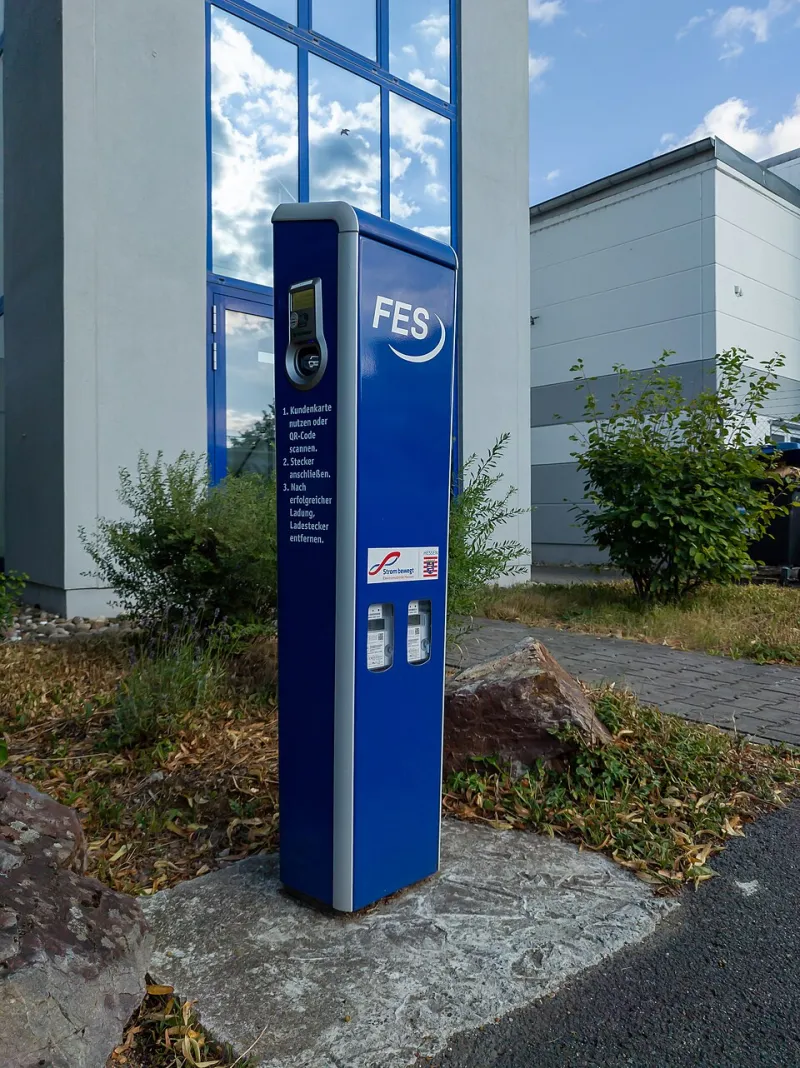
Photo: Martyn Davies, CC BY-SA 2.0, via Wikimedia Commons
There's a particular kind of quiet in a British garage on a cold November morning. The car is plugged in, the charger is ticking over, and everything looks normal — until you notice a little pile of shredded blue roll behind the toolbox and a neat set of teeth marks on the outer sheath of your charging cable. Rodents don't care that the lead cost you £200. They care that it's warm, sheltered and pleasantly chewy.
Why your garage looks like a hotel in autumn
As the temperature drops, mice and rats look for three things: warmth, cover and a reliable food source. A garage attached to a house offers all three. The fabric of the building holds a bit of heat, the clutter gives them runways, and the back corner where you keep bird seed, pet food or a half-open bag of compost is essentially room service.
EV kit adds a new attraction. Charging cables, sensor wiring for door motors, and spare leads left coiled on the floor are all soft, flexible and easy to gnaw. Rodents aren't eating the copper — they're wearing down their teeth, which grow continuously. Your cable just happens to be in the way.
Reading the signs before the damage
You don't need a wildlife camera. A torch and five minutes will tell you plenty.
- Droppings along skirting boards, behind storage boxes and under the car. Mouse droppings are small and dark, roughly rice-grain sized; rat droppings are bigger and blunter.
- Grease marks — dark smudges along walls where rodents run with their bodies against the surface.
- Chew marks on cable sheaths, usually near the ends or where a lead passes through a tight gap. Look for ragged edges rather than a clean cut.
- Nesting material — shredded paper, insulation fibres, leaves or bits of old cloth tucked into corners.
- A faint ammonia smell in enclosed corners, which can point to a resident population rather than a passing visitor.
Check the charging cable properly when you uncoil it, not just at the plug. Run your hand along the length and look for flattened spots, exposed inner wires or a sheath that feels softer than usual. If you find bare conductor, stop using that lead and replace it. A damaged EV charging cable isn't a wait-and-see item.
The routes that invite trouble
Rodents follow edges. In a garage, that means the cable route matters as much as the cable itself.
A charging lead that loops down from the wall, trails across the floor and curls under the car is basically a climbing frame. So is a spare cable left in a cardboard box in the corner. The same goes for sensor wiring for an electric door, which often runs low along a wall and through a small hole that was drilled a decade ago and never sealed.
Look at where cables pass through walls, frames or conduits. A gap around a cable entry point is an open door. So is an airbrick with a broken grille, a gap under an up-and-over door, or the space where a pipe enters the wall. You don't need to turn the garage into a bunker — you just need to close the obvious gaps.
Storage habits that change the odds
Most rodent damage happens to cables that were left out. The fix is less about buying gadgets and more about changing where things live.
- Get leads off the floor. A wall-mounted cable hook or a heavy-duty hook-and-loop strap keeps the charging lead coiled at waist height, away from runways.
- Use a lidded plastic box, not a cardboard one. Cardboard is nesting material with a lid. A sturdy plastic storage crate with a clip-on lid is a much less welcoming home for spare leads and adapters.
- Don't store food-adjacent items in the garage. Bird seed, pet food, grass seed and compost bags are rodent magnets. If they must live there, use metal bins with tight lids.
- Keep the charging area clear. A tidy zone around the charger makes it easier to spot droppings, chew marks and new gaps — and removes the clutter rodents use for cover.
- Check before you coil. Give the lead a quick look as you hang it up. It takes ten seconds and catches problems while they're still cosmetic.
Physical barriers worth fitting
You don't need to over-engineer this. A few sensible upgrades will do most of the work.
Seal cable entry points. Where a cable passes through a wall, fill the gap with wire wool and a suitable mortar or sealant. Wire wool is uncomfortable for rodents to chew through, and it doesn't rust away like steel offcuts.
Fit brush strips to garage doors. A brush strip along the bottom of an up-and-over or side-hinged door closes the gap without stopping the door working. Check that it doesn't foul the mechanism or trap the charging cable when the door closes.
Cover airbricks properly. A metal airbrick grille in good condition keeps ventilation while blocking easy access. Replace broken plastic covers with metal ones where you can.
Use conduit for exposed runs. If a cable has to run low along a wall, run it inside rigid plastic or steel conduit. It's not just tidier — it puts a harder layer between teeth and insulation. For charging leads, a heavy-duty cable protector or a dedicated hook is usually more practical than conduit, because the lead needs to move.
Choose metal or sealed storage. Metal shelving units and sealed plastic boxes are less inviting than open wooden shelves and cardboard. It's not a guarantee, but it raises the effort required.
What not to rely on
Ultrasonic repellents are popular and cheap, but the evidence for them is patchy at best. Rodents habituate quickly, and a device that works for a week may do nothing by Christmas. Scent-based repellents are similarly hit-and-miss. Traps and professional pest control have their place, especially if you already have an established population, but they're a response rather than a prevention plan.
Don't ignore the car itself, either. Check the charging port area and the cable that lives in the boot. A spare lead stored under the floor in a cardboard box is just as vulnerable as one in the garage.
A simple seasonal routine
Once the colder weather settles in, add a five-minute rodent check to your routine. Torch along the skirting, look at the cable entry points, uncoil the charging lead and run your hand along it, and check the storage boxes. Do it when you're already plugging in, so it doesn't become a separate job.
If you find chew marks on a charging cable, replace it. If you find droppings but no damage, seal the gaps, tidy the food sources and keep watching. The goal isn't a sterile garage — it's a garage where your EV kit isn't the easiest meal on the menu.