Where the Plug Lands: Siting a Home EV Charger Around Real Parking Habits
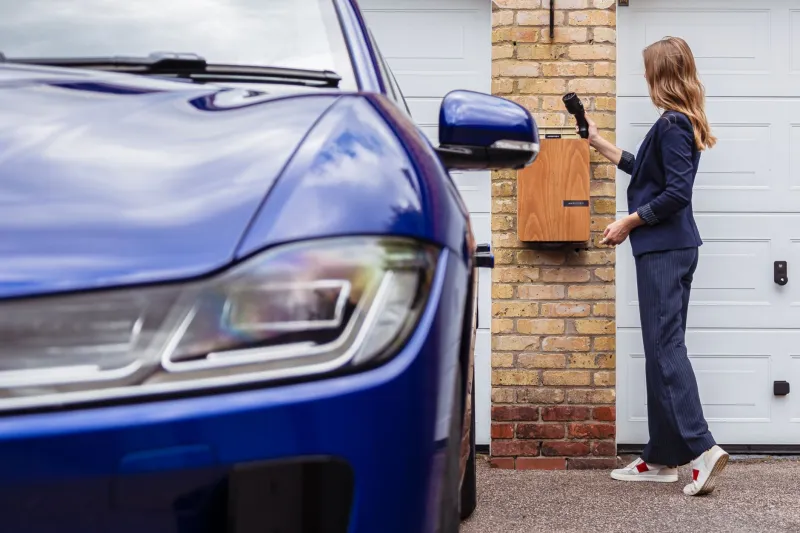
A home charge point can look beautifully tidy on the wall and still be a nuisance every single evening. The usual culprit is siting it by cable route rather than by car. If the installer can reach the consumer unit easily from one corner of the garage, that corner starts to feel like the obvious answer. Then you park nose-in, the charge port is at the back, and the lead is either stretched tighter than a guitar string or draped across the path where someone will trip over it.
At Electric Garage Shop, the practical view is simple: decide where the plug needs to land before anyone starts chasing walls. A charger is a long-term bit of driveway kit, so it should fit your parking habits, your weather and your household traffic. The cable route matters, but it should not be the first question.
Start with how you park, not where the cable goes
Most UK driveways have a natural parking pattern. Some drivers reverse in every time because it makes leaving easier in the morning. Others swing in nose-first because the drive is tight, the road is busy, or the bin store makes reversing awkward. Neither is wrong, but the two habits put the charge port in very different places.
Before choosing a wall, park exactly as you normally would. Then look at where the charging flap sits relative to the house, garage, gate and front door. A car with a rear-side port may be perfectly served by a charger near the back corner of the garage when parked nose-in. The same car reversed in might need the point nearer the house or on a freestanding post. Front-port cars flip that logic again.
It is worth doing this check on a wet, dark evening too. The spot that feels fine in daylight can become a fumble when you are holding shopping, the rain is horizontal and the cable has to cross a walkway. Good siting is partly about convenience and partly about not creating a nightly trip hazard.
Walk the lead before you drill
A tape measure is useful, but a piece of string or an old garden hose is better. Park the car as usual, then run the string from the intended charger position to the charge port along the route the cable would actually take. Not in a straight line through the car, and not across a flowerbed you would rather not trample. Along the wall, around the wing, down to the port.
Leave a little slack at both ends. You want a gentle loop rather than a lead under tension, because a strained cable puts stress on the plug, the socket and your patience. Three metres of spare lead is not a magic number, but it is a useful mental check: if the route only works with the cable pulled taut, the charger is in the wrong place.
Also check the route with the car parked slightly differently. Nobody parks to the nearest millimetre every day. If the lead only reaches when you are perfectly square to the garage, it will be annoying within a week.
Tethered or untethered changes the maths
A tethered charger comes with its own attached lead, usually long enough for most driveways but not infinitely forgiving. If you choose tethered, the cable length becomes part of the siting decision. A 5m lead can be plenty when the charger is beside the charge port, and surprisingly short when the car is nose-in and the port is at the rear.
An untethered charger uses your own cable, which gives you more flexibility and lets you keep a longer lead in the boot if needed. It also means the socket is exposed when not in use, so a holster, a cover and a sensible position away from direct rain and splashing matter more. Neither option is automatically better. The right answer depends on whether you value convenience, portability or a cleaner wall.
Keep doors, bins and walkways clear
A charge point needs breathing room. You will be plugging in, unplugging, coiling a lead and occasionally wiping mud off the plug. Avoid placing it where a car door opens into it, where wheelie bins get dragged past, or where a bicycle is squeezed against the wall.
Walkways deserve particular care. A cable run across a path is sometimes unavoidable, but it should be short, visible and managed with a proper cable tidy or ramp rather than left as a loop for someone to catch a foot in. If the only sensible charger position means the lead crosses the main route from car to front door every night, consider an alternative wall, a post, or a different parking orientation.
Weather, walls and the long way round
UK weather is not dramatic most of the time, but it is persistent. Wind-driven rain, splashes from the driveway and general damp will find exposed kit. Choose a position with some shelter if you can, and follow the manufacturer's guidance on clearance and mounting height. A charger tucked under a soffit or beside a garage wall often fares better than one fully exposed to the prevailing weather.
This is where the easiest cable route can mislead you. A run through the garage may be simple, but if it puts the charger under a leaking gutter or in the path of a downpipe, it is a false economy. Similarly, a charger on the front wall of the house may look neat, but if the lead has to cross a gravel drive, a gate threshold or a planted border, the daily reality will be messier than the brochure photo.
A few measuring checks worth doing
Park normally, then mark the car's position with chalk or tape. Note the charge port location and height. Measure from the intended charger spot to the port with a string route, allowing for a loop. Check that the lead will not block a door, path, drain or gate. Look at where the cable will rest when it is plugged in and when it is coiled. And ask yourself whether you could plug in while holding a bag, in the dark, without stepping into a puddle.
Finally, get the installer to quote for two or three siting options rather than one. A good electrician will care about the cable route, the protective devices and the paperwork, but they should also be happy to talk about where the plug lands. The cheapest run is not much use if every charge session involves stretching a lead across the drive.
A home charger should disappear into the routine. When it is sited around your actual parking habits, the cable hangs with slack, the walkway stays clear and you stop thinking about it. That is a better result than a tidy wall and a nightly wrestle with three metres of strained lead.