Door Motor Meets Charger: A Practical Supply-Sharing Plan for UK Garages
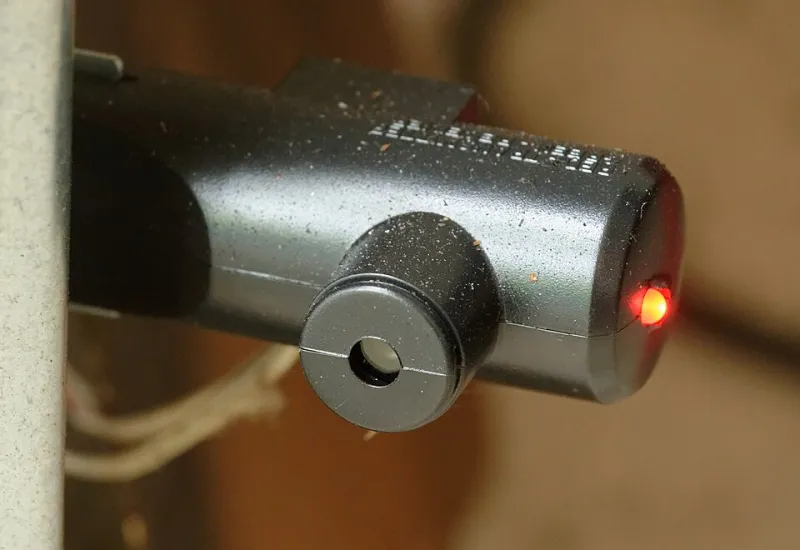
Photo: Jud McCranie, CC BY-SA 4.0, via Wikimedia Commons
An electric garage door is one of those background conveniences you only notice when it stops working. An EV charger is the same, except it also happens to pull a serious, steady current for hours at a time. Put the two on the same garage supply and most of the time they will rub along fine. The trouble starts when a brief door-motor surge, a shared RCD, or a slightly tired circuit turns a normal arrival home into a nuisance trip.
The fix is rarely one clever gadget. It is a supply-sharing plan: understand what each item demands, separate the things that should be separate, and label the bits that someone might switch off in a hurry. Here is the practical version for a UK garage.
Start with the trip, not the trip switch
Not all tripping is overload. A garage door motor can draw a short inrush when it starts, especially on a cold morning or when the door is stiff. That surge is brief, but if the circuit is already close to its limit, it can be enough to take out an MCB. An EV charger, meanwhile, is a long, calm load. It is not usually the thing that spikes. It is the thing that leaves less headroom for everything else.
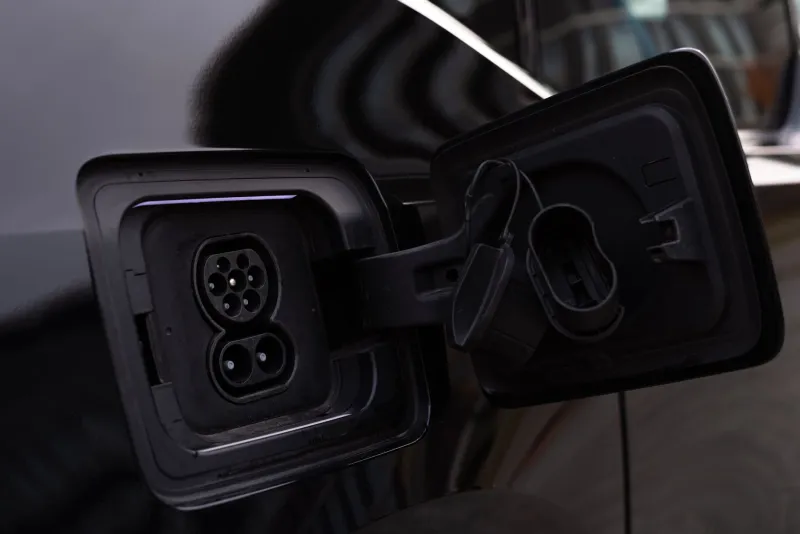
Earth leakage is the other suspect. Damp garage walls, dust, ageing door-motor electrics and long cable runs can all contribute small leakage currents. Add an EV chargepoint with its own protective electronics and a shared RCD can become more sensitive than either item deserves. That is why a charger on the same RCD as a door motor, outside lights and a chest freezer is a recipe for mystery trips rather than a neat installation.
What to check before the charger goes on the wall
Before anyone drills a mounting plate, look at the existing garage supply as a whole. What size is the cable, and how long is the run? Is there a spare way in the consumer unit, or is it already full? Is the earthing arrangement suitable, and are there any signs of heat, scorch marks or DIY additions? These are not glamorous questions, but they decide whether the job is a straightforward charger install or a small supply upgrade.
Then look at the door motor. Find the rating plate and note the wattage, the age of the unit and whether it has a battery backup. A modern motor with soft-start is gentler on the supply than an older one that slams into life. If the door is stiff, the motor may be drawing more than it should. Fixing a dragging door or a worn roller is cheaper than upgrading a circuit to compensate for friction.
Also check what else is on the garage supply. Lights, sockets, a tumble dryer, a freezer, a compressor: they all count. A 7kW charger is roughly 30 amps of continuous load, so the phrase 'it is only 7kW' is doing a lot of heavy lifting. Before adding that load, you need to know what the supply can actually carry and what protective devices are already in place.
Load management is not a door-motor babysitter
Dynamic load management is genuinely useful. A current clamp on the supply tails lets the charger reduce its output when the house is drawing a lot of power, so you are less likely to exceed the overall supply capacity. That is a sensible product to specify if your home is close to its limit or if you have other big loads.
What load management does not do is watch the garage door motor and politely pause the charger every time the door opens. Some systems respond quickly, some do not, and a door-motor surge is a very short event. Do not treat a CT clamp as an interlock. If the door and charger are fighting over the same final circuit, the better answer is separate final circuits with their own protective devices, not a clever setting that promises more coordination than it can deliver.
Isolators, labels and a place for the cable
An isolator is only useful if you can reach it without climbing over bikes. Put the charger isolator somewhere accessible and label it clearly at the consumer unit. If the door motor has its own isolator, label that too. A small printed circuit schedule inside the consumer unit door is not glamorous, but it saves time when something trips at 10pm and you are standing there with a torch.
Cable management matters as well. A heavy EV lead draped near the door track is an invitation to snagging. A wall-mounted cable hook or a proper reel keeps the lead clear of the moving door and gives the charger a tidier working area. If the door mechanism has exposed moving parts, keep the cable well away rather than relying on a neat coil and good intentions.
A five-minute test routine that tells you something
Once the installation is done, run a simple test when it is safe to do so. Start a charge and let it settle. Then open and close the garage door while watching the charger and the consumer unit. Does the charger pause, derate or drop out? Does an RCBO trip? Does the door motor sound laboured? Note what happened and when.
Repeat this once a month for the first few months, then seasonally. Keep a short log: date, weather, what tripped, what was running. If the trips only happen when the door motor starts, you have a clue about surge or shared protection. If they happen randomly overnight, suspect leakage, moisture or a failing component. If the charger regularly derates when the kettle and oven are on, load management is doing its job rather than misbehaving.
When to stop rearranging and call an electrician
If the consumer unit has no spare ways, the garage cable is undersized, the earthing is questionable, or the same RCD protects half the house, do not solve it by moving breakers around. That is not a product upgrade; it is a design change. A qualified electrician can check the supply capacity, verify the protective devices, and specify a dedicated EV consumer unit or separate final circuit where needed. In England and Wales, EV chargepoint work is also notifiable under Part P, so the paperwork and the testing go together.
Repeated tripping, a burning smell, scorched accessories or a door motor that keeps tripping its own protection are all stop signs. So is any plan that involves swapping an MCB for a bigger one without checking the cable. The consumer unit is not a puzzle box to rearrange on a Saturday afternoon.
The sensible sharing plan
Give the charger its own properly protected circuit where possible. Keep the door motor on its own protective device, fix any stiffness in the door, and label the isolators. Use load management for the whole house if you need it, but do not expect it to choreograph a door motor. Then run a simple test routine and keep an eye on the first few months.
A garage door and an EV charger can share a supply. What they should not share is a vague assumption that everything will be fine. A little separation, a little labelling and a realistic look at the existing supply will keep both working without turning your consumer unit into a source of daily drama.