Five Minutes at the Wall: The Home EV Charging Log That Pays You Back

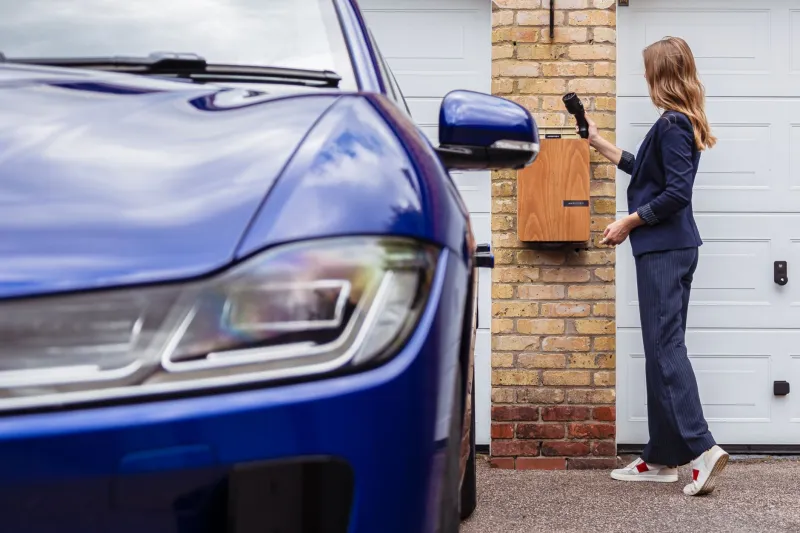
Photo: wall mounted clipboard logbook beside home EV charger in garage, via www.familyhandyman.com
Most home EV chargers are brilliantly boring. You plug in, the car charges, you unplug, life carries on. That is exactly how it should be. The trouble is that when something does go wrong — a cable that is looking tired, a breaker that keeps tripping, a charge that seems slower than it used to be — memory is a poor witness. A few scribbled lines on a wall-mounted pad can save you a lot of guesswork later.
This is not about building a spreadsheet empire. It is about a five-minute habit that gives you useful data: what went in, when, in what conditions, and whether anything looked or sounded off. In a UK driveway, where damp, cold and the occasional sideways rain are part of the deal, that small record is worth having.
Start at the wall, not in an app
The best place for a charging log is right next to the charging point. A weatherproof A5 clipboard or a wall-mounted log holder beside the charger makes the job obvious and removes the excuse. Keep a pencil attached — pens go missing, pencils survive — and add a label with the charger make, model and installation date. If the charger lives outside, choose a holder with a lid or a sealed pocket rather than an open tray that collects November drizzle.
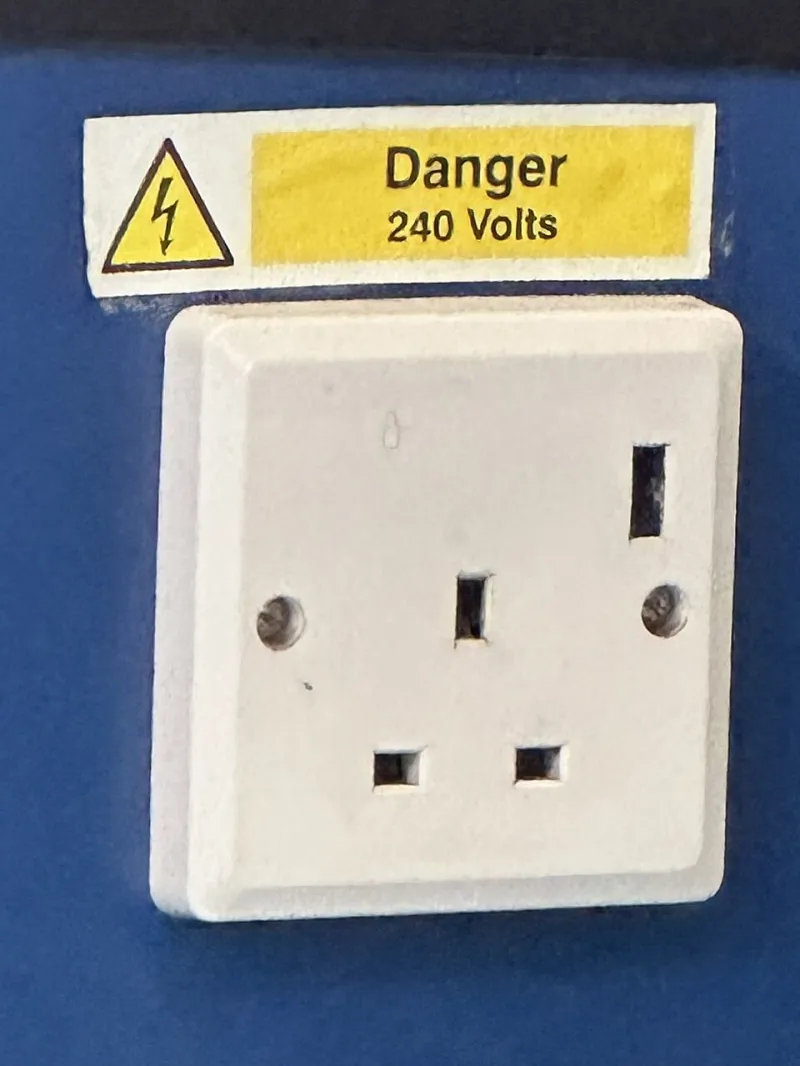
You do not need a dedicated smart meter to start. Many chargers already report kWh delivered, session time and faults in their app. If yours does not, a suitable energy monitor can fill the gap, but only one rated for the load and installed properly. For a dedicated wall charger, that may mean a clamp monitor fitted by an electrician rather than a cheap plug-in unit. For occasional three-pin charging, use a monitor rated for continuous high load and never leave it dangling in the wet. The point is to capture a number, not to create a new hobby.
A label maker is a quiet hero here. Label the isolation switch, the relevant breaker or RCBO, the cable ends and the log holder itself. Clear labels mean that anyone in the household can note what tripped, rather than describing it later as the switch near the thing that goes click.
The five lines worth writing
A practical log does not need an essay. Five lines will do:
- Date and time. Include whether it was a full charge or a top-up.
- kWh delivered or percentage added. Use the charger app, car app or monitor. If you only have percentage, note the starting and ending state of charge.
- Weather and rough temperature. Cold, wet, windy, mild, baking. This matters more than people think for charging speed and cable condition.
- Faults or trips. Which device tripped, what the charger displayed, whether it reset first time.
- Cable and connector notes. Damp, scuffs, bent pins, stiffness in the cold, anything that felt warmer than usual.
That is it. A line per charging session is ideal, but a weekly summary is still useful. The key is consistency, not calligraphy.
Why nuisance trips become a pattern
A single trip is an event. Three trips in a fortnight is a pattern, and patterns are what warranty discussions and safety checks are made of. Record which protection operated — the RCBO in the consumer unit, a separate RCD, or the charger’s internal protection — and what the weather was doing. Repeated tripping can point to moisture ingress, a damaged cable, a charger fault or an installation issue. It is not something to solve by resetting the device ten times and hoping.
If trips repeat, stop using the charger and get the installer or a competent electrician to inspect it. Your log gives them a timeline: when it started, whether it happens in rain, whether it follows a particular cable position. That is far more useful than saying it has been a bit funny lately. It also helps if you need to make a warranty claim, because dated notes and a couple of photos tell a clearer story than a frustrated phone call.
Cable condition is data too
Your charging lead lives a hard life. It gets dragged across wet paving, coiled tightly in the cold and shut in the occasional garage door. A quick visual check each time you unplug is enough: no cuts, no exposed inner wires, no scorch marks, no bent or discoloured pins, no water sitting in the plug. In winter, notice whether the cable has become unusually stiff or difficult to coil. Store it on a hook rather than a puddle.
If you spot damage, retire the cable. Do not tape it up and carry on. A replacement lead is cheaper than the alternative, and your log will show exactly when you first noticed the issue. Add a note if a cable feels warm in normal use — some warmth is not unusual, but anything alarming deserves a check by a qualified person.
A monthly two-minute read
Once a month, look back over the pages. Add up the kWh if you can, compare it with your rough mileage, and note any repeat faults. Winter will usually show higher consumption and slower charging in the cold, so do not panic at a seasonal shift. Do look for a sudden change: the same commute suddenly taking more energy, the charger derating every time, the cable getting hot in the same spot.
Keep the old pages. A year of simple notes is a genuinely useful service history for your home charging setup. If you move house, it is a sensible thing to leave with the charger paperwork.
Gear that makes the habit stick
You do not need much: a weatherproof wall-mounted log holder, a pencil, a label maker, a cable hook and a way to read kWh. Add a small torch for winter checks and a basic thermometer nearby if you like. The best setup is the one you will actually use at 7am in the rain, so keep it simple and keep it visible.
Five minutes at the wall will not make your EV charge faster. It will make problems easier to spot, easier to explain and harder to ignore. That is a decent return on a pencil and a pad.