Before You Plug In: A Used EV Inspection That Separates a Bargain From a Money Pit
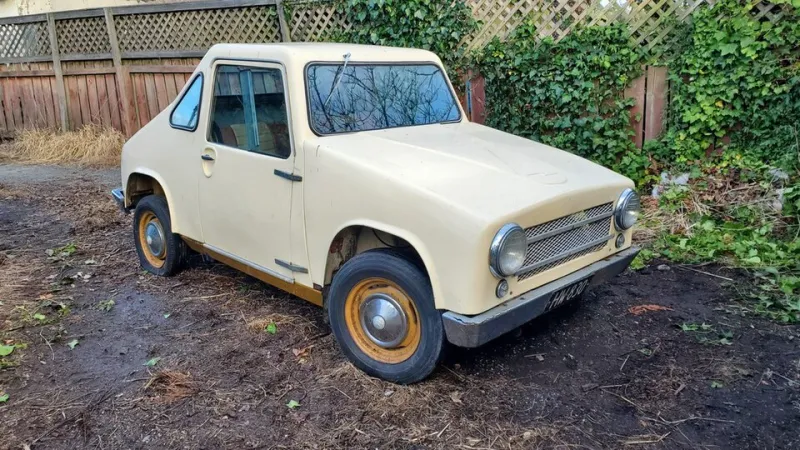
Photo: Kevin Rungai, CC BY-SA 4.0, via Wikimedia Commons
A used EV can be a brilliant buy: quiet, cheap to run and often loaded with kit that would cost a fortune new. It can also be a quiet money pit if the charging port is worn, the 12V battery is on its last legs or the home charger turns out to be incompatible with the car. A proper EV health check is always the gold standard, but a careful DIY inspection at home can tell you plenty before you book a train ticket to view a car.
You will need a bright torch, a tyre tread depth gauge, a multimeter, a phone with a camera, and ideally an OBD or EV diagnostic scanner. An endoscope and an infrared thermometer are useful if you have them. Do not poke around high-voltage orange cables or remove covers. This is a visual and low-voltage inspection, not a technician's course.
1. Paperwork, VIN and recall check
Start with the V5C, the VIN on the car and the service history. Check that the VIN matches the paperwork and look for any outstanding manufacturer recalls or service campaigns using the registration or VIN. A phone and the manufacturer's recall portal are your tools here. This proves the car is what it claims to be, but it cannot prove the battery has been treated kindly.
2. Charging port and flap wear
Open the charging flap and look closely at the pins, the latch and the surrounding plastic. Scorching, melted plastic, bent pins or a loose latch are red flags. Check that the flap closes properly and that the rubber seal is not torn. A torch and a phone camera help; an endoscope is useful on recessed CCS ports. This check proves obvious wear and water ingress, but it cannot prove the port works under load.
3. Charge cables and portable EVSE
Inspect every cable the seller has: the Type 2 lead, any granny charger and any portable EVSE. Look for cuts, exposed inner wires, cracked plugs, missing pin caps and a control box that rattles. A socket tester can check the mains side of a granny charger, but it will not test the EV side. If the cable looks tired, price in a replacement before you get excited about the car.
4. Home charger compatibility
This is the check buyers forget. Ask what charger the seller used, whether it is tethered or untethered, and whether it is single-phase or three-phase. Most UK homes have a single-phase supply and a 7kW charger, but cable length, load management and smart features vary. Take a photo of the charger label and check it against the car's onboard charger rating. A phone call to an installer is more useful than a guess. This cannot prove the charger will work at your house without a proper survey.
5. 12V battery health
EVs still have a 12V battery, and a weak one causes strange warnings, failed starts and charging gremlins. Use a multimeter to check resting voltage, look at the date label and inspect the terminals for corrosion. A load tester is better if you have one. This is one of the few checks that gives a clear yes or no, but it still will not tell you how long the battery will last.
6. Tyres, tread and uneven wear
EVs are heavy and torque-rich, so tyres wear differently. Use a tread depth gauge across the width of each tyre and look for uneven shoulders, which can point to alignment issues. Check the tyre ratings and whether they are EV-specific or at least suitable for the car's weight. A torch and a gauge are enough. This proves the current condition, not how the car was driven.
7. Brakes, discs and regen feel
Regenerative braking means EV discs can rust from lack of use. Look through the wheels at disc faces and pad thickness. Check the brake fluid level and look for leaks around the calipers. On the test drive, feel for a dragging brake or an inconsistent pedal. A torch and a brake fluid tester are useful. This cannot prove the ABS or regen system is fault-free.
8. Cooling system and underbonnet fluids
Lift the bonnet and check coolant levels, washer fluid and any visible leaks. EV thermal management systems are complex, so look for staining around hoses and reservoirs. An infrared thermometer can help spot odd temperature differences, but it is not a pressure test. This check proves the obvious; it cannot prove the health of the battery cooling loop.
9. Battery health clues and diagnostic scan
Ask the seller to show the state of charge and the estimated range, then compare that with the official figure. If you have an EV-capable scanner, read the battery health data and any stored fault codes. Check whether the car has a battery warranty and whether it transfers. This is the most important area, and the one where DIY has the biggest limits. A scanner can reveal clues; it cannot prove real-world capacity under load.
10. Software, warnings and OTA status
Turn the car on and look at the dashboard for warning lights, then check the infotainment system for software updates and service reminders. A phone photo of the software screen is handy for later. This proves the car is not shouting at you today; it cannot prove the next over-the-air update will go smoothly.
11. Underside, battery case and suspension
Use ramps or a torch and mirror to look under the car. Check the battery case for deep scrapes, dents or repairs, and look at suspension boots, wishbones and subframes. Do not jack an EV on the battery pack. This check proves obvious impact damage, but it cannot prove the battery modules are healthy internally.
12. Charging test and test drive
If possible, plug the car into an AC charger and a DC rapid charger. Watch for a smooth start, check the charging speed and listen for unusual noises. On the drive, test regen, steering, brakes and heating, and note any warning messages. A stopwatch and a scanner are useful. This proves the car charges on the day, not that it will charge reliably in January.
What a DIY inspection cannot prove
A home inspection is a filter, not a guarantee. It will not measure battery degradation under load, find hidden crash damage, test high-voltage insulation or predict motor bearing wear. If the car passes your checks, budget for a proper EV inspection by a specialist before you hand over the money. That is not pessimism. It is the difference between a bargain and a lesson.