Seven Cable-Control Upgrades That Keep Your EV Lead Dry, Visible and Out of the Way
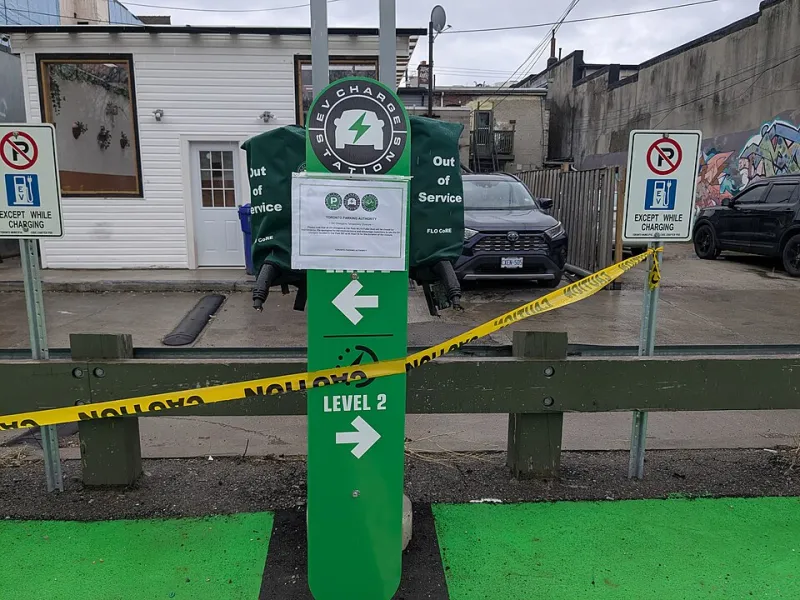
Photo: Qviri, CC BY-SA 4.0, via Wikimedia Commons
A charging lead is meant to be the boring bit of EV ownership. In a British driveway, though, it quickly becomes the starring role: a wet, heavy snake that lives across the paving, loops around the recycling bin and waits for someone to trip over it in the dark. The fix is not a stern talk about tidiness. It is a handful of garage-grade bits of kit, chosen properly.
What to look for before you buy
Cable management sounds simple until you are standing in a shop holding a plastic hook that cost less than a sandwich. For EV charging, the details matter.
- Weather resistance: Look for UV-stable plastic, stainless fixings and drainage holes. A holster that fills with rainwater is worse than no holster.
- Cable compatibility: EV leads are thicker and less flexible than a phone charger, especially in cold weather. Check the internal width and the weight rating.
- Load rating: Anything that sits on the floor and gets driven over needs a proper vehicle load rating, not a vague claim about being heavy-duty.
- Fixings: Wall plugs and screws should suit brick, render or garage blockwork. If you are not sure, ask an installer rather than guessing.
- Visibility: A dark cable on dark paving at night is a trip hazard. Reflective or high-visibility details earn their keep.
- Drainage and airflow: Trapped water and tightly coiled warm cables are both bad news. Let air move and let water escape.
1. A wall-mounted holster with a proper drip loop
A simple holster or J-hook keeps the connector off the floor and gives the cable a home. The good ones have rounded edges, a drain hole and enough depth to hold a Type 2 plug without forcing it. Mount it at a height that lets the cable hang in a loose loop rather than a tight coil, and leave a drip loop so water runs off before it reaches the plug. Avoid cheap hooks with sharp mould lines. They slowly chew through cable sheathing.
2. A retractable reel — only if it is rated for EV cable
Retractable reels look brilliant in a showroom. In a garage, they can be a mixed blessing. A reel designed for a thin extension lead is not the place for a heavy EV cable, and tightly winding a warm cable can trap heat. If you go down this route, choose a slow-retract model rated for the cable diameter and weight, mount it high enough to clear heads and car roofs, and never let the cable retract under tension while still plugged into the car. For most UK driveways, a fixed holster is simpler and safer.
3. A floor cable ramp for the crossing point
If the lead has to cross a driveway or path, a cable ramp or covered channel is the grown-up answer. Check the load rating, the channel width and whether the ramp sits flat enough not to become its own trip hazard. Look for anti-slip surfacing and drainage slots so water does not pool underneath. A ramp should guide the cable without crushing it, and it should be easy to lift for cleaning. This is one area where saving money can cost you a damaged lead or a bruised shin.
4. An untethered cable bag for the portable EVSE
Granny chargers and portable EVSEs are awkward: a bulky control box, a long lead and a plug that never wants to go back in the bag neatly. A dedicated cable bag with a wide opening, a hook for hanging and some ventilation is far better than a carrier bag in the boot. Choose water-resistant fabric rather than fully sealed plastic, and never coil a wet cable into a sealed bag and leave it there. A reflective strip is a small bonus that makes the bag easier to find in a dark garage.
5. A ceiling hook or boom in the garage
If you park inside, a ceiling-mounted hook or simple boom keeps the lead off the floor and away from bikes, lawnmowers and wandering feet. The key is the fixing. It needs to go into a joist or a properly assessed anchor, not just plasterboard. Check the clearance above the car roof and make sure the cable hangs freely without pulling on the charging unit. A boom can work well in a high garage, but a basic hook and a hook-and-loop strap will do the same job for less.
6. A reflective cable sleeve
This is the low-tech upgrade that quietly works. A high-visibility sleeve or spiral wrap makes the lead easier to see at night and in wet weather, especially on gravel or dark block paving. Choose one that is UV-stable and does not trap heat, and avoid anything that makes the cable so stiff that it will not coil. It will not stop a car driving over the cable, but it helps everyone see the hazard before they find it with a foot.
7. A strain-relief wall anchor
Small tugging forces add up. A wall anchor or hook-and-loop strap near the charging unit takes the weight of the cable so the connector and the unit's cable gland are not carrying it. This is especially useful on tethered chargers where the lead disappears into the body of the unit. Do not use the anchor to support the charging unit itself, and do not pull the cable tight against a sharp edge. The aim is a gentle, supported curve.
The ten-minute tidy-up routine
Before you buy anything, unplug the car and look at the route the cable actually takes. The best setup is the one you will use every day without thinking. A holster by the charge point, a ramp at the crossing point and a strap to keep the loop tidy will solve most UK driveway chaos. Check that your charging unit is installed and protected properly, and never use a domestic extension lead as a permanent charging solution. Cable control is not about making the garage look like a catalogue. It is about keeping a heavy, wet, live lead away from feet, water and tyres.